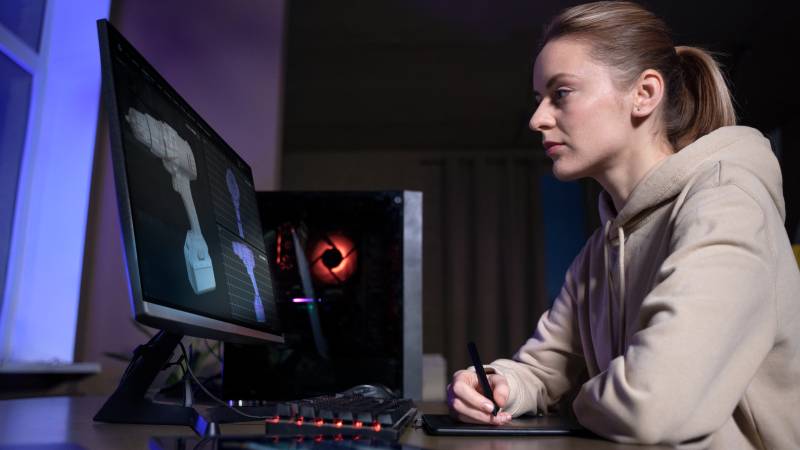
Modern computing is changing rapidly. For many years, graphics cards were considered one of the most important components of a computer, especially for gaming, video editing, and other visual activities. However, computer technology has developed beyond graphics processing. Today, several hardware components and digital technologies work together to improve computer performance, speed, and efficiency.
A modern computer depends on its processor, memory, storage, cooling system, operating system, and networking capabilities. Artificial intelligence and cloud computing have also introduced new possibilities for users and businesses. Understanding these technologies helps people make better decisions when purchasing computers, upgrading hardware, or learning about digital developments.
The topic bageltechnews com beyond the graphics card focuses on understanding the different technologies that contribute to modern computing. It highlights why computer performance should not be judged only by the graphics card and explains the importance of other components.
1. Understanding the Role of Graphics Cards
A graphics card, also known as a Graphics Processing Unit (GPU), is responsible for processing visual information. It helps computers display images, videos, animations, and other graphical elements.
Graphics cards are especially important for activities that require advanced visual performance.
Common Uses of Graphics Cards
-
Playing modern computer games.
-
Editing high-quality videos.
-
Creating digital artwork.
-
Designing three-dimensional models.
-
Running visual simulations.
-
Supporting certain artificial intelligence applications.
Modern graphics cards can perform thousands of calculations simultaneously. This makes them useful for tasks that require significant processing power.
However, a graphics card cannot manage every computer operation independently. It works with other components to provide a complete computing experience.
2. Why Computer Technology Goes Beyond Graphics Cards
Computer performance depends on several components working together. A powerful graphics card may improve visual performance, but other hardware is necessary to keep the system balanced.
For example, a computer with a powerful GPU but limited RAM may experience problems when running multiple applications. Similarly, outdated storage can increase loading times even when the processor is fast.
Important computer components include:
-
Central processing units.
-
Random access memory.
-
Solid-state storage.
-
Motherboards.
-
Cooling systems.
-
Power supplies.
-
Networking components.
Each component performs a different function.
The concept of bageltechnews com beyond the graphics card encourages users to understand the complete computer system instead of focusing on only one hardware component.
3. Central Processing Units and Their Importance
The Central Processing Unit (CPU) is often described as the brain of a computer. It processes instructions, performs calculations, and manages different operations.
While graphics cards focus on parallel processing and visual tasks, CPUs handle general computing activities.
Main Functions of a CPU
Running applications: A CPU processes instructions that allow software and applications to operate.
Managing operations: It coordinates different activities between hardware and software.
Performing calculations: It handles mathematical and logical operations.
Supporting multitasking: It helps users run several applications at the same time.
Choosing a Suitable Processor
A good processor can improve overall system responsiveness. However, users should choose a CPU according to their requirements.
Students and office workers may need a basic or mid-range processor, while professional editors, developers, and researchers may benefit from more powerful options.
The best processor is not always the most expensive one. Understanding personal requirements is important when selecting computer hardware.
4. Artificial Intelligence Is Changing Modern Computing
Artificial intelligence has become an important part of modern technology. AI systems can analyze information, recognize patterns, generate content, and help people complete different tasks.
Computers use a combination of CPUs, GPUs, specialized processors, and software to support AI applications.
Everyday Uses of Artificial Intelligence
AI technology is used in many areas, including:
-
Voice assistants.
-
Language translation.
-
Smart search tools.
-
Automatic photo editing.
-
Personalized recommendations.
-
Business data analysis.
-
Writing and productivity applications.
The Importance of AI Processors
Some modern computers include Neural Processing Units (NPUs). These processors are designed to handle specific artificial intelligence tasks efficiently.
They can help improve performance while managing energy consumption.
However, successful AI applications require more than powerful hardware. Software quality, data security, and system optimization are equally important.
5. Understanding the Importance of RAM
Random Access Memory (RAM) temporarily stores information that a computer needs while running applications.
When users open a browser, edit documents, watch videos, or use multiple programs, the system uses RAM to access information quickly.
Benefits of Sufficient RAM
Having enough memory can help users:
-
Run multiple applications smoothly.
-
Switch between programs easily.
-
Work with large files.
-
Edit photos and videos.
-
Use demanding software.
-
Improve everyday computer performance.
How Much RAM Do You Need?
The amount of RAM required depends on the type of work.
Basic browsing, online classes, and office activities generally require less memory than professional video editing or advanced software development.
Before upgrading RAM, users should check their computer’s supported memory type and maximum capacity.
6. Storage Technology and Faster Computing
Storage devices are responsible for saving operating systems, applications, documents, photographs, and other files.
Two common storage technologies are Hard Disk Drives (HDDs) and Solid-State Drives (SSDs).
Hard Disk Drives
HDDs use rotating magnetic disks to store information. They are often affordable and provide large storage capacities.
However, their mechanical design makes them slower than many modern storage alternatives.
Solid-State Drives
SSDs use flash memory and do not contain moving mechanical parts.
Their main advantages include:
-
Faster startup times.
-
Quicker application loading.
-
Faster file transfers.
-
Better system responsiveness.
-
Quiet operation.
Why Storage Matters
Storage performance affects the overall computer experience. Even a powerful computer can feel slow when it uses outdated storage.
Upgrading to an SSD can improve everyday performance without replacing the entire computer.
7. Cooling Systems and Energy Efficiency
Computer components generate heat while performing different tasks. When temperatures become too high, hardware may reduce its performance to protect itself.
Cooling systems help maintain suitable operating temperatures.
Common Cooling Solutions
Air cooling: Fans move air through the computer to remove heat.
Liquid cooling: Liquid transfers heat away from important components.
Heat sinks: These metal structures absorb and distribute heat.
Benefits of Proper Cooling
An effective cooling system can:
-
Maintain stable performance.
-
Reduce overheating.
-
Improve hardware reliability.
-
Support demanding workloads.
-
Help extend component lifespan.
Energy efficiency is also important. Modern computer components are designed to provide useful performance while controlling electricity consumption.
8. Cloud Computing and Its Growing Importance
Cloud computing allows users to access storage, software, and computing resources through the internet.
Instead of keeping every file and application on a personal computer, users can access information through online services.
Advantages of Cloud Computing
Flexible access: Users can access their files from different devices.
Easy collaboration: Teams can work together on shared projects.
Scalability: Businesses can adjust computing resources according to their needs.
Online storage: Important files can be stored remotely.
Reduced hardware requirements: Some demanding tasks can run on remote servers.
Challenges of Cloud Computing
Cloud services also have certain limitations. Users may need a reliable internet connection and should consider privacy, security, subscription fees, and data storage policies.
Businesses should carefully evaluate cloud services before storing sensitive information online.
9. Networking and Internet Connectivity
Networking technology allows computers and other devices to communicate with each other.
A reliable internet connection is important for online learning, remote work, entertainment, communication, and business activities.
Important Networking Technologies
-
Wi-Fi: Provides wireless internet connectivity.
-
Ethernet: Offers a wired network connection.
-
Bluetooth: Connects nearby wireless devices.
-
Fiber optics: Supports high-speed internet communication.
-
Modern routers: Manage connections between multiple devices.
Why Network Performance Matters
A stable network improves video meetings, online gaming, cloud applications, and file sharing.
Businesses also depend on reliable networking to support communication between employees, customers, and digital systems.
As connected devices become more common, networking technology will continue to improve.
10. Cybersecurity and Digital Protection
Modern computers store personal information, business documents, financial records, and other valuable data. Protecting this information is an important part of using technology safely.
Cybersecurity includes the methods and tools used to protect devices, networks, and digital information.
Common Cybersecurity Threats
Some common online risks include:
-
Computer viruses.
-
Malicious software.
-
Phishing emails.
-
Password theft.
-
Unauthorized access.
-
Ransomware attacks.
-
Data breaches.
Simple Ways to Protect Your Computer
Users can follow several basic security practices.
Create strong passwords: Use unique passwords for important accounts.
Enable two-factor authentication: Add an additional security step to online accounts.
Update software: Install operating system and application updates regularly.
Avoid suspicious links: Do not open unknown attachments or untrusted links.
Back up important files: Keep additional copies of valuable information.
Cybersecurity is important for individuals, students, professionals, and businesses.
11. How to Choose the Right Computer Hardware
Selecting computer hardware can be difficult because many products have different specifications and prices.
The best approach is to understand your requirements before purchasing anything.
Identify Your Main Purpose
First, decide how you will use your computer.
-
Students: Need reliable performance for research, assignments, and online classes.
-
Office workers: Usually require good multitasking and productivity features.
-
Gamers: May need a powerful GPU, suitable CPU, and sufficient RAM.
-
Video editors: Benefit from fast storage, additional memory, and powerful processors.
-
Developers: May require hardware that supports programming and software testing.
Set a Realistic Budget
Decide how much you can spend before comparing products. Focus on the components that will provide the most value for your activities.
Check Hardware Compatibility
Before purchasing components, check motherboard support, processor compatibility, RAM type, power requirements, and available connections.
Consider Future Requirements
Choose hardware that can support your expected needs for several years. Upgrade options can also help extend the useful life of your computer.
12. Future Trends in Computer Technology
Computer technology continues to develop, introducing new opportunities for individuals and businesses.
Several important trends may influence the future of computing.
AI-Powered Computers
AI-enabled computers may improve productivity, communication, content creation, and everyday digital activities.
Advanced Processors
New processor designs aim to deliver better performance while reducing power consumption.
Faster Memory and Storage
Improved memory and storage technologies can support demanding applications and make computers more responsive.
Edge Computing
Edge computing processes information closer to where it is generated. This approach can reduce delays and improve performance for connected devices.
Quantum Computing
Quantum computing uses principles of quantum mechanics to approach certain complex problems differently from traditional computers.
Although this technology is still developing, it may become useful in scientific research, advanced simulations, and specialized calculations.
Sustainable Technology
Manufacturers are also exploring energy-efficient components, recyclable materials, and better methods of managing electronic waste.
These developments demonstrate that the future of computing will depend on several technologies working together.
13. Practical Guidelines for Improving Computer Performance
Users do not always need expensive upgrades to improve their computer experience. Regular maintenance and good usage habits can also make a difference.
Here are some useful guidelines:
-
Remove unnecessary applications and files.
-
Keep your operating system updated.
-
Use reliable security software.
-
Maintain sufficient free storage space.
-
Clean dust from computer fans and vents.
-
Avoid running too many demanding applications simultaneously.
-
Back up important information regularly.
-
Monitor computer temperature during heavy workloads.
-
Upgrade RAM or storage when necessary.
-
Check component compatibility before making upgrades.
Following these practices can improve computer reliability and help users get better value from their existing hardware.
Conclusion
Modern computing involves much more than graphics cards. Although GPUs are important for gaming, creative work, and specialized applications, other components also contribute to overall performance.
CPUs, RAM, storage devices, cooling systems, networking technology, artificial intelligence, and cybersecurity all play important roles.
Understanding these technologies helps users make informed hardware decisions and improve their digital experiences. The main idea behind bageltechnews com beyond the graphics card is that a computer should be understood as a complete system rather than a collection of individual specifications.
As technology continues to advance, learning about different computing components will help users understand new developments and make better decisions for their personal and professional needs. See more